Quiz: Công nghệ đúc-cán-ép hợp kim nhôm không phôi của SFU :root { --bg: transparent; --card: #fff; --text: #222; --brand: #00c4b4; --ok: #16a34a; --bad: #dc2626; --light-gray: #e5e7eb; --dark-gray: #6b7280; } html, body { background: var(--bg); font-family: ui-sans-serif, system-ui, -apple-system, "Segoe UI", Roboto, "Helvetica Neue", Arial, "Noto Sans", "Liberation Sans", sans-serif; line-height: 1.6; color: var(--text); margin: 0; padding: 0; } .quiz-container { max-width: 720px; margin: 0 auto 20px auto; padding: 0 3px; position: relative; } .quiz-question { margin: 20px 0 32px 0; position: relative; padding-top: 10px; } .question-number { font-size: 14px; color: #888; margin-bottom: 10px; font-weight: 700; } .question-text { font-weight: 800; font-size: 16px; color: #333; margin-bottom: 20px; padding-right: 40px; } .options { display: flex; flex-direction: column; gap: 10px; width: 100%; position: relative; } .option { display: none; } .option+label { display: flex; align-items: center; gap: 12px; padding: 12px 15px; background: var(--card); border: 1px solid #ddd; cursor: pointer; font-size: 14px; transition: all .2s ease; width: 100%; position: relative; user-select: none; border-radius: 0; box-sizing: border-box; padding-right: 60px; } .option-prefix { display: flex; align-items: center; justify-content: center; flex-shrink: 0; width: 28px; height: 28px; border-radius: 50%; background-color: var(--light-gray); font-weight: 700; color: var(--dark-gray); transition: all .2s ease; } .option-text { flex-grow: 1; } .percentage { display: none; position: absolute; right: 15px; top: 50%; transform: translateY(-50%); font-size: 14px; font-weight: 800; color: var(--dark-gray); } .quiz-question.answered .option + label .percentage { display: inline-block; } .quiz-question.answered .option[value="incorrect"]:checked + label .percentage, .quiz-question.answered .option[value="correct"] + label .percentage { color: #fff; } .stat-line { display: none; font-size: 13px; font-style: italic; color: #888; margin-top: 8px; margin-bottom: 8px; text-align: left; } .quiz-question.answered .stat-line { display: block; } .quiz-question:not(.answered) .option+label:hover { background: #e6f3f2; border-color: var(--brand); } .quiz-question:not(.answered) .option+label:hover .option-prefix { background-color: var(--brand); color: white; } .quiz-question.answered .option+label { cursor: not-allowed; } .quiz-question.answered .option[value="incorrect"]:checked+label { background: var(--bad); color: #fff; border-color: var(--bad); } .quiz-question.answered .option[value="incorrect"]:checked+label .option-prefix { background: #fff; color: var(--bad); } .quiz-question.answered .option[value="correct"]+label { background: var(--ok); color: #fff; border-color: var(--ok); } .quiz-question.answered .option[value="correct"]+label .option-prefix { background: #fff; color: var(--ok); } .explain { display: none; margin-top: 12px; padding: 14px 16px; line-height: 1.6; font-size: 14px; text-align: left; color: #0f172a; background: #f8fafc; border-left: 4px solid var(--ok); border-radius: 0; } .quiz-question.answered .explain { display: block; } .explain p { margin: 0 0 10px 0; } .explain p:last-child { margin-bottom: 0; } .explain p strong { font-weight: 800; } .quiz-footer { display: flex; gap: 10px; margin: 40px auto; max-width: 720px; } .footer-box { flex: 1; background: var(--card); border: 1px solid #ddd; padding: 12px 15px; text-align: center; font-size: 14px; display: flex; align-items: center; justify-content: center; min-height: 48px; box-sizing: border-box; } .score-box { color: #333; font-weight: 700; text-transform: uppercase; } #user-score { color: var(--brand); font-weight: 800; margin-left: 5px; } .cta-box { background-color: #fff; color: #222; font-weight: 700; text-decoration: none; transition: all 0.2s ease; cursor: pointer; user-select: none; } .cta-box:hover { background-color: var(--ok); color: #fff; border-color: var(--ok); } .insert-slot { margin: 20px auto; min-height: 1px; max-width: 100%; text-align: center; } .insert-slot img { max-width: 100%; height: auto; border-radius: 0; } figure.quiz-figure { margin: 15px 0; width: 100%; text-align: center; } figure.quiz-figure img { max-width: 100%; height: auto; display: block; margin: 0 auto; border-radius: 4px; } figure.quiz-figure iframe { width: 100%; aspect-ratio: 16/9; border-radius: 4px; display: block; margin: 0 auto; } figure.quiz-figure video { max-width: 100%; height: auto; display: block; margin: 0 auto; border-radius: 8px; box-shadow: 0 2px 10px rgba(0,0,0,0.1); background: #000; } figure.quiz-figure audio { width: 100%; max-width: 500px; display: block; margin: 10px auto; border-radius: 30px; background: #f1f3f4; } figure.quiz-figure figcaption { font-style: italic; text-align: center; font-size: 13px; color: #555; margin-top: 8px; line-height: 1.4; } @media(max-width: 600px) { .quiz-question { margin: 24px 0; } .option+label { padding-right: 50px; } }
Câu hỏi 1/5
Các nhà khoa học Đại học Liên bang Siberia đã phát triển thiết bị gì để sản xuất sản phẩm hợp kim nhôm?
AMáy đúc phôi truyền thống kết hợp với lò nung riêng. BHệ thống cán nguội sử dụng phôi đúc nhập khẩu. CThiết bị kết hợp đúc, cán và ép trong một công đoạn duy nhất. DMáy ép lạnh sử dụng hợp kim nhôm nguyên chất.
Đáp án đúng là: C.
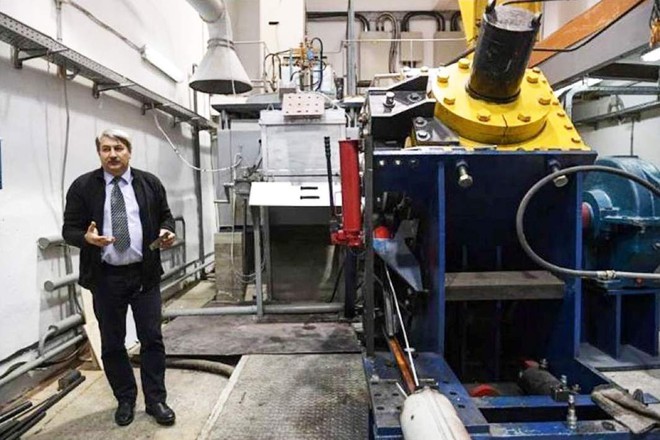
Giải thích: Các nhà khoa học từ Đại học Liên bang Siberia (Krasnoyarsk) đã tạo ra thiết bị đầu tiên trên thế giới kết hợp đúc, cán và ép trong một hoạt động liên tục. Hợp kim nhôm được nấu chảy trong lò trộn, đổ vào các con lăn làm mát bằng nước để kết tinh thành phôi vuông, sau đó được định hình thành que. Phương pháp này loại bỏ nhu cầu sản xuất phôi đúc truyền thống, tăng năng suất và cho phép sử dụng phế liệu tái chế như vụn và mạt nhôm để giảm chi phí. Công nghệ này được lãnh đạo bởi Sergey Sidelnikov (Tiến sĩ Khoa học Kỹ thuật, Nhà phát minh Xuất sắc của Liên bang Nga) và đã nộp đơn xin hai bằng sáng chế.
Câu hỏi 2/5
Lợi ích chính của phương pháp mới trong việc sản xuất que biến tính (modifier rods) từ phế liệu là gì?
AQue biến tính có độ bền thấp hơn phương pháp truyền thống. BKhông cần sử dụng nguyên liệu nhập khẩu đắt đỏ. CQue biến tính được sản xuất chậm hơn nhưng chất lượng cao hơn. DPhương pháp chỉ áp dụng cho hợp kim nhôm nguyên chất.
Đáp án đúng là: A.
Giải thích: Phương pháp mới cho phép sản xuất que biến tính (modifier rods) từ phế liệu thứ cấp (như vụn nhôm chứa magiê và silic) mà không cần phôi đúc truyền thống. Các que này dùng để bổ sung titan và bo vào hợp kim nhôm, ngăn ngừa nứt gãy trong sản phẩm như đinh tán, đai ốc, vít. Thử nghiệm cho thấy que từ phế liệu có độ bền tương đương phương pháp cũ. Điều này giúp thay thế phôi biến tính nhập khẩu đắt đỏ mà các nhà máy Nga đang phụ thuộc, đồng thời giảm chi phí và tận dụng chất thải sản xuất. Các chuyên gia từ NUST MISIS và Đại học Kỹ thuật Nhà nước Magnitogorsk đánh giá cao tiềm năng tiết kiệm năng lượng và hiệu quả kinh tế.
Câu hỏi 3/5
Tại sao các nhà máy Nga hiện nay phải nhập khẩu phôi biến tính cho hợp kim nhôm?
AVì Nga không sản xuất được hợp kim nhôm. BDo chi phí sản xuất nội địa quá cao và thiếu công nghệ. CVì phôi biến tính chỉ dùng cho mục đích quân sự. DDo không có nhu cầu sử dụng que biến tính.
Đáp án đúng là: D.
Giải thích: Hợp kim nhôm nguyên chất dễ bị nứt trong quá trình sản xuất và sử dụng sản phẩm như đinh tán, đai ốc, vít nếu không được biến tính bằng titan và bo. Các nhà máy Nga hiện phụ thuộc vào phôi biến tính nhập khẩu vì chi phí cao và chưa có sản xuất nội địa. Phương pháp mới của SFU giải quyết vấn đề này bằng cách sản xuất que biến tính từ phế liệu thứ cấp, giúp cấu trúc phôi được biến tính kinh tế hơn. Công nghệ sử dụng mô hình hóa máy tính để tối ưu hóa nhiệt độ, tốc độ, biến dạng và công suất động cơ, sau đó thử nghiệm thực tế với lô que từ phế liệu.
Câu hỏi 4/5
Thiết bị mới hoạt động như thế nào để tạo ra que hợp kim nhôm?
ANấu chảy nhôm rồi cán nguội riêng lẻ. BĐổ kim loại nóng chảy vào con lăn làm mát để kết tinh và định hình que liên tục. CÉp phôi đúc sẵn thành que mà không cần đúc. DSử dụng lò nung riêng để tạo phôi vuông trước khi cán.
Đáp án đúng là: B.
Giải thích: Thiết bị kết hợp ba quá trình: nấu chảy hợp kim nhôm trong lò trộn, đổ kim loại nóng chảy vào các con lăn làm mát bằng nước để kết tinh nhanh thành phôi vuông, sau đó cán và ép liên tục để định hình thành que với kích thước và hình dạng quy định. Phương pháp này cho phép sản xuất từ nhiều loại hợp kim nhôm khác nhau, tăng tốc độ và hiệu quả so với quy trình truyền thống (đúc phôi riêng, sau đó cán/ép). Các nhà khoa học đã tối ưu hóa thông số bằng mô hình hóa máy tính và thử nghiệm lô que biến tính từ phế liệu, chứng minh tính khả thi.
Câu hỏi 5/5
Theo các chuyên gia, lợi ích kinh tế và kỹ thuật lớn nhất của công nghệ này là gì?
ATăng chi phí sản xuất do cần thiết bị đắt đỏ. BTiết kiệm năng lượng, sử dụng phế liệu tái chế và tăng tốc độ sản xuất đáng kể. CChỉ áp dụng cho sản xuất quy mô nhỏ. DKhông ảnh hưởng đến chất lượng sản phẩm cuối.
Đáp án đúng là: C.
Giải thích: Các chuyên gia như Torgom Hakobyan (NUST MISIS) nhấn mạnh tiết kiệm năng lượng bằng cách loại bỏ công đoạn ủ và nung nóng trong quy trình biến dạng truyền thống, đồng thời sử dụng nguyên liệu thứ cấp giúp giảm chi phí. Alexander Pesin (Đại học Kỹ thuật Nhà nước Magnitogorsk) cho rằng phương pháp tăng tốc độ đúc-cán đáng kể và mang lại lợi ích kinh tế lớn nhờ tận dụng chất thải. Công nghệ này có tiềm năng áp dụng rộng rãi trong ngành nhôm Nga nếu đạt các chỉ số hiệu suất mong muốn. Nghiên cứu được hỗ trợ bởi Quỹ Khoa học Nga và công bố trên tạp chí Metallurg.
import { initializeApp } from "https://www.gstatic.com/firebasejs/11.6.1/firebase-app.js"; import { getFirestore, doc, getDoc, setDoc, increment } from "https://www.gstatic.com/firebasejs/11.6.1/firebase-firestore.js"; const firebaseConfig = { apiKey: "AIzaSyCCmAv9joUFrN3T76U4aAE421nsZ6_5vdc", authDomain: "quizz-soha.firebaseapp.com", projectId: "quizz-soha", storageBucket: "quizz-soha.firebasestorage.app", messagingSenderId: "206621190079", appId: "1:206621190079:web:b0a226562a8314a270230a", measurementId: "G-NJR0DE492M" }; let db; try { const app = initializeApp(firebaseConfig); db = getFirestore(app); } catch (e) { console.error("Lỗi khởi tạo Firebase: ", e); } const QUIZ_ID = "sfu-ingotless-aluminum-rolling-2025"; let userScore = 0; const questions = document.querySelectorAll('.quiz-question'); const scorePerQuestion = 100 / questions.length; function checkCanVote(questionId) { try { const storageKey = `quiz_voted_history_${QUIZ_ID}`; const historyJson = localStorage.getItem(storageKey); let history = historyJson ? JSON.parse(historyJson) : {}; const lastVoted = history[questionId]; if (lastVoted) { const timeDiff = Date.now() - parseInt(lastVoted); const cooldownTime = 30 * 60 * 1000; if (timeDiff < cooldownTime) { const remainingMinutes = Math.ceil((cooldownTime - timeDiff) / 60000); return { allowed: false, message: `Bạn đã trả lời câu này rồi. Đợi ${remainingMinutes} phút nhé!` }; } } return { allowed: true }; } catch (e) { return { allowed: true }; } } function saveVoteTimestamp(questionId) { try { const storageKey = `quiz_voted_history_${QUIZ_ID}`; const historyJson = localStorage.getItem(storageKey); let history = historyJson ? JSON.parse(historyJson) : {}; history[questionId] = Date.now().toString(); localStorage.setItem(storageKey, JSON.stringify(history)); } catch (e) {} } async function getStats() { if (!db) return {}; try { const quizDocRef = doc(db, "quizzes", QUIZ_ID); const docSnap = await getDoc(quizDocRef); return docSnap.exists() ? docSnap.data() : {}; } catch (error) { return {}; } } async function updateStats(questionId, selectedOptionId) { if (!db) return; try { const quizDocRef = doc(db, "quizzes", QUIZ_ID); await setDoc(quizDocRef, { [questionId]: { [selectedOptionId]: increment(1) }, totalVotes: increment(1) }, { merge: true }); } catch (error) {} } function displayStatsForQuestion(questionDiv, questionStats, selectedOptionId) { if (!questionStats) return; let total = 0; for (const k in questionStats) total += questionStats[k] || 0; if (total === 0) return; questionDiv.querySelectorAll('.options label').forEach(label => { const inputId = label.htmlFor; const optId = document.getElementById(inputId).dataset.optionId; const votes = questionStats[optId] || 0; const percent = Math.round((votes / total) * 100); const percentSpan = label.querySelector('.percentage'); if (percentSpan) percentSpan.textContent = `${percent}%`; }); const statLine = questionDiv.querySelector('.stat-line'); if (statLine) { const userVotes = questionStats[selectedOptionId] || 0; const userPercent = Math.round((userVotes / total) * 100); statLine.textContent = `${userPercent}% người trả lời như bạn`; } } async function processVote(questionDiv, radioInput) { const questionId = questionDiv.dataset.questionId; saveVoteTimestamp(questionId); questionDiv.classList.add('answered'); radioInput.checked = true; const isCorrect = radioInput.value === 'correct'; const selectedOptionId = radioInput.dataset.optionId; if (isCorrect) { userScore += scorePerQuestion; document.getElementById('user-score').textContent = Math.round(userScore); } try { await updateStats(questionId, selectedOptionId); const stats = await getStats(); if (stats && stats[questionId]) { displayStatsForQuestion(questionDiv, stats[questionId], selectedOptionId); } else { displayStatsForQuestion(questionDiv, { [selectedOptionId]: 1 }, selectedOptionId); } } catch (e) { console.error(e); } } questions.forEach(questionDiv => { const optionsDiv = questionDiv.querySelector('.options'); optionsDiv.addEventListener('click', async (event) => { const label = event.target.closest('label'); if (!label) return; const inputId = label.htmlFor; const radioInput = document.getElementById(inputId); if (questionDiv.classList.contains('answered')) return; event.preventDefault(); const questionId = questionDiv.dataset.questionId; const check = checkCanVote(questionId); if (!check.allowed) { alert(check.message); return; } await processVote(questionDiv, radioInput); }); });
if (pageSettings.allow3rd) admicroAD.unit.push(function () { admicroAD.show('admzonek1fs4xky') });